

Hey there! As a supplier of Friction Drive Conveyors, I've been getting a ton of questions about how conveyor height impacts the operation of these bad boys. So, I thought I'd sit down and break it all down for you.
Let's start with the basics. A Friction Drive Conveyor, like the ones you can learn more about at Friction Drive Conveyor, uses friction to move materials along the conveyor line. It's a pretty nifty piece of tech that offers a lot of advantages in various industries, from manufacturing to distribution.
Now, when it comes to conveyor height, it's not just about how tall the thing is. It can have a whole bunch of effects on how the conveyor operates, and I'm gonna go through them one by one.
1. Loading and Unloading Efficiency
One of the most obvious impacts of conveyor height is on loading and unloading. If the conveyor is too low, workers might have to bend down a lot to place items on it or take them off. This can lead to fatigue and even injuries over time. On the other hand, if it's too high, they might need to use ladders or other equipment to reach the conveyor, which can slow down the process and increase the risk of accidents.
For example, in a warehouse where products are being loaded onto the conveyor from pallets, a conveyor height that's too low can make it difficult for forklift operators to align the pallets with the conveyor. They might have to make multiple attempts, wasting time and fuel. A well - chosen height, however, allows for seamless loading and unloading, improving overall efficiency.
2. Material Flow and Stability
The height of the conveyor also affects how materials flow along it. When the conveyor is at an appropriate height, materials tend to move smoothly without much jostling. But if the height is off, it can cause problems.
Let's say you're transporting small, delicate items. If the conveyor is too high, the items might fall off when they're loaded or during the transfer from one section of the conveyor to another. This can lead to product damage and increased waste. On the flip side, a conveyor that's too low might cause the items to bunch up or get stuck, disrupting the flow.
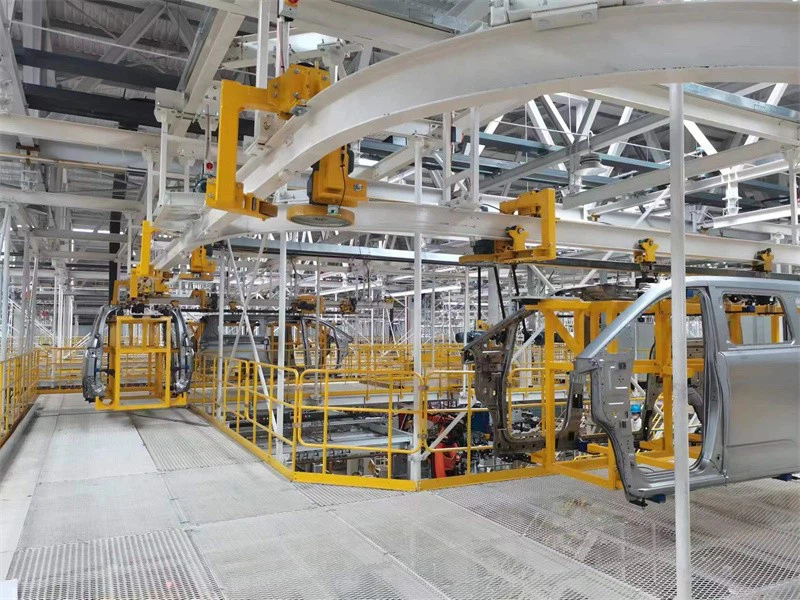
In the case of a Friction Overhead Conveyor, the height is crucial for maintaining a stable and continuous flow of materials. Since these conveyors are installed overhead, they need to be at a height that allows for easy movement of materials without interfering with other operations in the facility.
3. Maintenance and Accessibility
Another important factor is maintenance. Conveyor systems need regular maintenance to keep them running smoothly. If the conveyor is at a height that's difficult to access, it can make maintenance tasks a real pain.
For instance, technicians might have a hard time reaching certain parts of the conveyor to perform inspections or repairs. This can lead to delays in maintenance, which in turn can cause breakdowns and downtime. A conveyor with a well - considered height provides easy access to all components, making it easier to keep the system in top shape.
4. Space Utilization
Conveyor height also plays a role in how well you can use the available space in your facility. In a factory or warehouse, space is often at a premium. A conveyor that's too tall might take up more vertical space than necessary, leaving less room for other equipment or storage.
On the other hand, a conveyor that's too low might not make the most of the vertical space available. By choosing the right height, you can optimize the use of your facility's space, allowing for more efficient layout and better overall workflow.
5. Safety
Safety is always a top priority when it comes to conveyor systems. The height of the conveyor can have a significant impact on safety. A conveyor that's too high can pose a fall hazard for workers. If someone accidentally slips or loses their balance while working near a high - level conveyor, the consequences can be severe.
Conversely, a conveyor that's too low can create tripping hazards. Workers might not see the conveyor if it's close to the ground, and they could easily trip over it. Additionally, low - lying conveyors can be more difficult to guard properly, increasing the risk of contact with moving parts.

How to Determine the Right Conveyor Height
So, how do you figure out the right height for your Friction Drive Conveyor? Well, it depends on a few factors.
First, consider the type of materials you'll be transporting. If you're dealing with large, heavy items, you might need a higher conveyor to accommodate them. Smaller items might work well with a lower conveyor.
Next, think about the loading and unloading methods. If you're using manual labor, the height should be comfortable for workers to reach. If you're using automated equipment, make sure the height is compatible with the equipment's operation.
You also need to take into account the layout of your facility. Measure the available space and consider how the conveyor will fit into the overall workflow. And don't forget about safety regulations. Make sure the conveyor height complies with all relevant safety standards.
In conclusion, the height of a Friction Drive Conveyor is a critical factor that can have a big impact on its operation. From loading and unloading efficiency to material flow, maintenance, space utilization, and safety, every aspect of the conveyor's performance is affected by its height.
If you're in the market for a Friction Drive Conveyor and want to make sure you get the right height for your needs, I'd love to have a chat with you. I've got years of experience in the industry and can help you find the perfect solution for your business. Don't hesitate to reach out and start a conversation about your conveyor requirements.
References
- Industry standards and guidelines for conveyor systems
- Case studies on the impact of conveyor height on operational efficiency
- Technical manuals for Friction Drive Conveyors