

As a supplier of Vertical Pallets, I often encounter customers who are confused about the differences between light - duty and heavy - duty vertical pallets. In this blog, I will comprehensively explore these differences to help you make more informed purchasing decisions.
Structural Design
The structural design of light - duty and heavy - duty vertical pallets varies significantly. Light - duty vertical pallets are typically designed with thinner materials. For example, the frame of a light - duty vertical pallet might be made of a relatively thin gauge steel. This reduces the overall weight of the pallet, making it easier to handle and transport. The internal support structures are also less robust, with fewer cross - members or thinner bracing. This design is suitable for applications where the load is not excessive.
On the other hand, heavy - duty vertical pallets are built like fortresses. They use thicker and stronger materials, such as high - strength steel. The frames are more substantial, and the internal support structures are denser and more reinforced. The heavy - duty design can withstand much greater stress and pressure without deforming. For instance, in an industrial setting where large and heavy items need to be stored or transported vertically, a heavy - duty vertical pallet is essential. The robust construction ensures that the pallet can maintain its shape and integrity under extreme loads.
Load - Bearing Capacity
One of the most obvious differences between light - duty and heavy - duty vertical pallets is their load - bearing capacity. Light - duty vertical pallets are designed to handle relatively light loads. Generally, they can support loads ranging from a few hundred pounds to perhaps a couple of thousand pounds, depending on the specific model. These pallets are ideal for storing and transporting small to medium - sized items such as consumer goods, small parts, or light machinery components.
Heavy - duty vertical pallets, however, are engineered to bear extremely heavy loads. They can support loads of several thousand pounds or even more. In industries like automotive manufacturing, heavy machinery production, or large - scale warehousing, heavy - duty vertical pallets are used to store and move large and bulky items such as engine blocks, large metal sheets, or heavy equipment parts. The high load - bearing capacity of these pallets is crucial for ensuring the safety and efficiency of the storage and transportation processes.
Application Scenarios
The application scenarios for light - duty and heavy - duty vertical pallets are quite different. Light - duty vertical pallets are commonly used in retail environments, small workshops, and offices. In a retail store, they can be used to display and store small products on shelves. In a small workshop, they can hold small tools and components. Their lightweight and easy - to - handle nature make them suitable for these less - demanding applications.
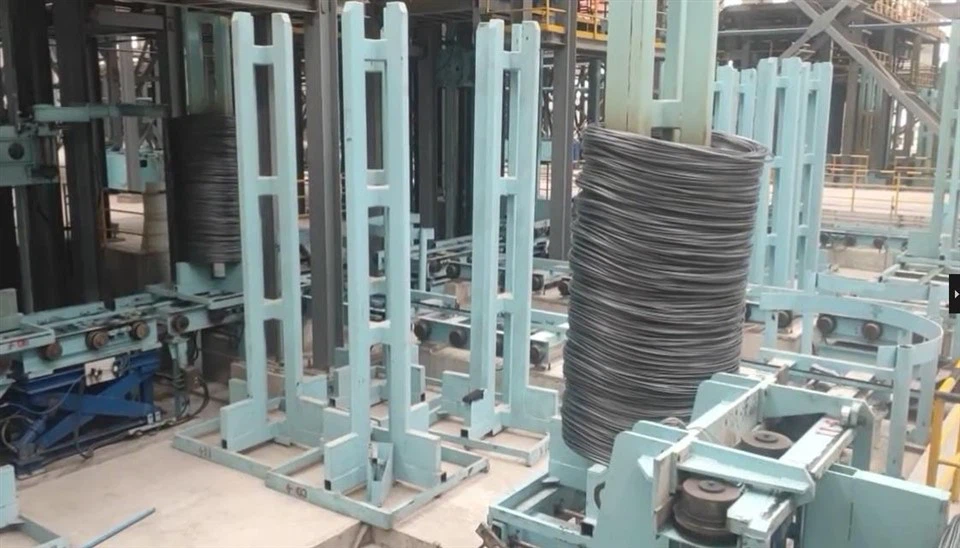
Heavy - duty vertical pallets, on the other hand, are mainly used in industrial settings. In a manufacturing plant, they are used to store raw materials, work - in - progress items, and finished products. For example, in a steel mill, heavy - duty vertical pallets are used to stack large steel bars or coils. In a logistics center, they are used to handle large and heavy packages during the shipping and receiving processes. The ability to withstand heavy loads and harsh industrial environments makes heavy - duty vertical pallets indispensable in these applications.

Mobility and Handling
When it comes to mobility and handling, light - duty and heavy - duty vertical pallets also differ. Light - duty vertical pallets are easier to move around. They can be easily lifted by hand or with the help of simple lifting equipment such as a small forklift or a pallet jack. Their relatively low weight allows for quick and effortless transportation within a facility. This makes them suitable for applications where frequent movement and repositioning of the pallets are required.
Heavy - duty vertical pallets, due to their weight and size, require more powerful handling equipment. Large forklifts or specialized lifting machinery are usually needed to move them. The handling process is more complex and time - consuming. However, in industrial settings where the pallets are not moved as frequently and are used for long - term storage or large - scale transportation, the additional effort in handling is justified by their high load - bearing capacity.
Durability and Longevity
Durability is another important factor that distinguishes light - duty and heavy - duty vertical pallets. Light - duty vertical pallets, although they are designed to be functional, may not be as durable as their heavy - duty counterparts. The thinner materials and less robust construction make them more prone to damage, especially when subjected to rough handling or heavy loads. They may have a shorter lifespan, and in some cases, may need to be replaced more frequently.
Heavy - duty vertical pallets are built to last. The high - quality materials and strong construction make them highly resistant to wear and tear. They can withstand the rigors of industrial environments, including exposure to harsh chemicals, extreme temperatures, and heavy impacts. As a result, heavy - duty vertical pallets have a much longer lifespan, which can lead to cost savings in the long run, despite their higher initial cost.
Cost Considerations
Cost is always an important factor in purchasing decisions. Light - duty vertical pallets are generally more affordable. Their lower cost is due to the use of less expensive materials and simpler manufacturing processes. This makes them a cost - effective option for small businesses or applications where the load requirements are not high.
Heavy - duty vertical pallets, on the other hand, are more expensive. The high - quality materials, complex manufacturing processes, and high load - bearing capacity contribute to their higher price. However, when considering the long - term benefits, such as durability and the ability to handle heavy loads, the investment in heavy - duty vertical pallets can be justified. In addition, the reduced need for frequent replacements can offset the higher initial cost.
Conclusion
In conclusion, the differences between light - duty and heavy - duty vertical pallets are significant in terms of structural design, load - bearing capacity, application scenarios, mobility, durability, and cost. Understanding these differences is crucial for choosing the right type of vertical pallet for your specific needs.
If you are in the market for Vertical Pallet, whether it's a light - duty or heavy - duty one, we can provide you with high - quality products. Our vertical pallets are designed and manufactured to meet the highest standards, ensuring reliability and performance. We also offer a range of related products such as Automatic Shaping Machine and Power and Free Line to meet your comprehensive industrial needs.
If you have any questions or are interested in purchasing our products, please feel free to contact us for a detailed consultation and procurement negotiation. We look forward to working with you to find the best solutions for your business.
References
- "Industrial Pallet Design and Engineering" - A technical guide on pallet design and performance.
- "Warehousing and Logistics Best Practices" - A book that covers various aspects of pallet usage in warehousing and logistics.