

Hey there! As a supplier of roller conveyor covers, I've seen firsthand how important it is to choose the right cover for your conveyor, especially when considering its length. In this blog post, I'm going to share some tips on how to make that choice, so you can keep your conveyor running smoothly and protect it from the elements.
Why the Conveyor's Length Matters
First off, let's talk about why the length of your roller conveyor is a big deal when it comes to picking a cover. Longer conveyors have more surface area to protect, which means you need a cover that can handle the extra length without sagging or tearing. A cover that's too short won't do the job, and one that's too long can bunch up and cause problems. Plus, longer conveyors are often used in industrial settings where they're exposed to more wear and tear, so you need a cover that's durable enough to last.
Types of Roller Conveyor Covers
There are a few different types of roller conveyor covers out there, each with its own pros and cons. Here are some of the most common ones:
- Vinyl Covers: These are a popular choice because they're affordable and easy to clean. They come in a variety of colors and thicknesses, so you can choose one that fits your needs. Vinyl covers are also resistant to water and UV rays, which makes them a good option for outdoor conveyors.
- Canvas Covers: Canvas is a sturdy material that can withstand a lot of abuse. It's also breathable, which helps prevent moisture buildup and mold growth. Canvas covers are a good choice for indoor conveyors that need protection from dust and debris.
- Mesh Covers: Mesh covers are made of a lightweight, breathable material that allows air to circulate around the conveyor. This helps prevent overheating and reduces the risk of static electricity. Mesh covers are a good option for conveyors that carry small parts or products that need to be visible.
- Collapsible Roller Conveyor Covers: If you have a conveyor that needs to be moved or stored frequently, a collapsible cover is a great option. These covers can be easily folded up and stored when not in use, and they're usually made of a lightweight material that's easy to handle.
Factors to Consider When Choosing a Cover
Now that you know the different types of roller conveyor covers, let's talk about some of the factors you should consider when making your choice:
- Conveyor Length: As I mentioned earlier, the length of your conveyor is one of the most important factors to consider. Make sure you measure the length of your conveyor accurately before you order a cover. You'll also want to consider any curves or bends in the conveyor, as these can affect the fit of the cover.
- Conveyor Width: In addition to the length, you'll also need to measure the width of your conveyor. This will help you choose a cover that's the right size and shape for your conveyor.
- Environment: The environment where your conveyor is located is another important factor to consider. If your conveyor is outdoors, you'll need a cover that's resistant to water, UV rays, and other environmental factors. If it's indoors, you'll need a cover that's resistant to dust, debris, and other contaminants.
- Load Capacity: The load capacity of your conveyor is also important to consider. If your conveyor carries heavy loads, you'll need a cover that's strong enough to support the weight. You'll also want to make sure the cover doesn't interfere with the movement of the conveyor.
- Budget: Finally, you'll need to consider your budget when choosing a cover. There are covers available at a variety of price points, so you should be able to find one that fits your needs and your budget.
How to Measure Your Conveyor
Measuring your conveyor accurately is essential to choosing the right cover. Here's how to do it:

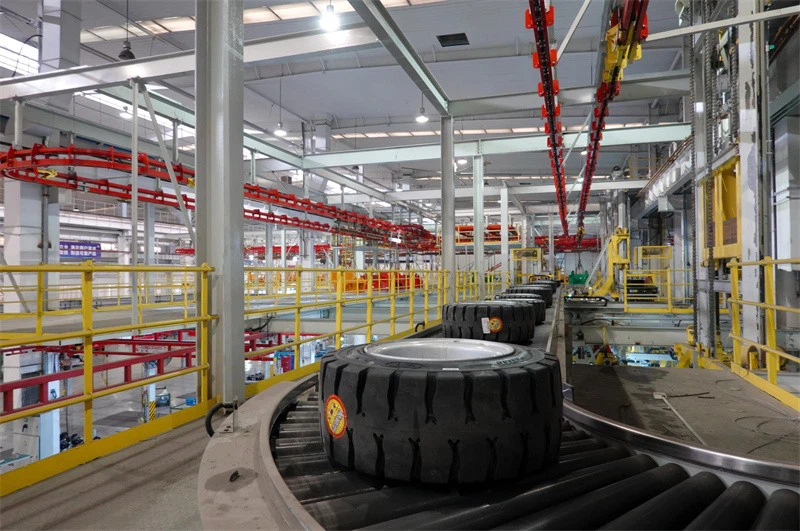
- Measure the length of your conveyor from end to end. Make sure you measure the entire length, including any curves or bends.
- Measure the width of your conveyor at its widest point. This will usually be at the center of the conveyor.
- Measure the height of your conveyor from the floor to the top of the rollers. This will help you choose a cover that's the right height for your conveyor.
- If your conveyor has any curves or bends, measure the radius of the curve or bend. This will help you choose a cover that fits the shape of your conveyor.
Installing Your Roller Conveyor Cover
Once you've chosen the right cover for your conveyor, it's time to install it. Here are some tips to help you install your cover correctly:
- Read the instructions carefully before you start. Make sure you understand how to install the cover and what tools you'll need.
- Clean the conveyor thoroughly before you install the cover. This will help ensure a good fit and prevent dirt and debris from getting trapped under the cover.
- Start at one end of the conveyor and unroll the cover over the rollers. Make sure the cover is centered and straight.
- Use the straps or fasteners provided with the cover to secure it to the conveyor. Make sure the straps are tight enough to hold the cover in place, but not so tight that they damage the cover or the conveyor.
- If your cover has any zippers or openings, make sure they're properly aligned and closed. This will help prevent dust and debris from getting inside the cover.
- Once you've installed the cover, check it for any wrinkles or folds. Smooth out any wrinkles or folds to ensure a good fit.
Maintaining Your Roller Conveyor Cover
Proper maintenance is essential to keeping your roller conveyor cover in good condition. Here are some tips to help you maintain your cover:
- Clean the cover regularly: Use a mild detergent and water to clean the cover. Avoid using harsh chemicals or abrasive cleaners, as these can damage the cover.
- Inspect the cover for damage: Check the cover regularly for any signs of damage, such as tears, holes, or fraying. If you notice any damage, repair it immediately to prevent further damage.
- Store the cover properly: When not in use, store the cover in a dry, cool place. Avoid storing the cover in direct sunlight or in a damp environment, as this can damage the cover.
- Replace the cover when necessary: Over time, your roller conveyor cover will wear out and need to be replaced. If you notice any signs of excessive wear or damage, it's time to replace the cover.
Conclusion
Choosing the right roller conveyor cover based on the conveyor's length is essential to keeping your conveyor running smoothly and protecting it from the elements. By considering the factors I've discussed in this blog post, you can choose a cover that's the right size, shape, and material for your conveyor. And if you have any questions or need help choosing a cover, don't hesitate to contact me. I'm here to help you find the perfect cover for your conveyor.