

In the realm of industrial material handling, the question of whether a friction conveyor can be used for wood product transportation is one that warrants in - depth exploration. As a supplier of friction conveyors, I've witnessed firsthand the diverse applications of these systems and understand the unique requirements of transporting wood products.
Understanding Friction Conveyors
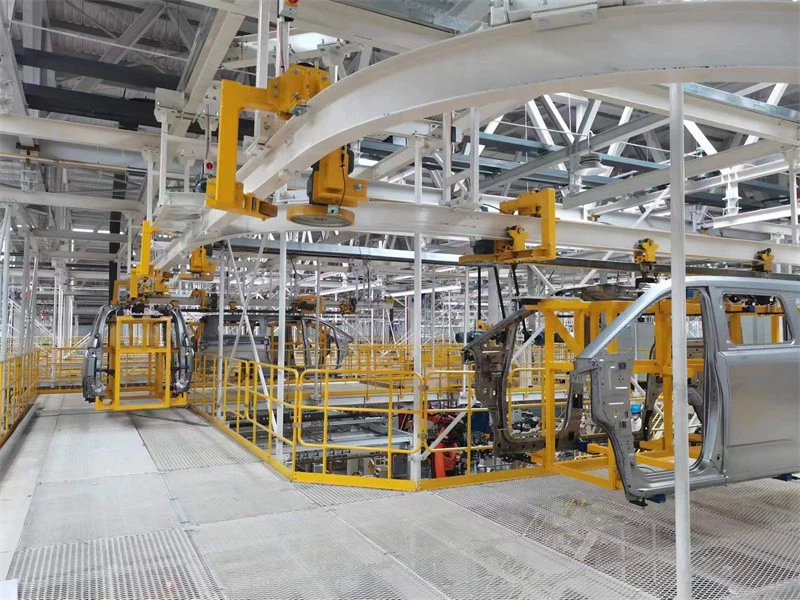
Friction conveyors operate on the principle of using friction to move materials along a path. There are different types of friction conveyors, such as the Friction Overhead Conveyor and the Friction Drive Conveyor. The Friction Overhead Conveyor is suspended from the ceiling, which is ideal for saving floor space in a factory. It can move loads along a pre - determined route, and the friction between the drive elements and the load carriers ensures a smooth and controlled movement. On the other hand, the Friction Drive Conveyor is typically placed on the floor and uses friction drives to transport items.
Characteristics of Wood Products
Wood products come in a wide variety of forms, including lumber, plywood, wooden furniture components, and wood chips. Each type has its own set of characteristics that need to be considered when it comes to transportation. Lumber, for example, is often long and heavy, and it may have irregular surfaces. Plywood sheets are large and flat, and they require careful handling to prevent damage. Wooden furniture components can be delicate and may have complex shapes. Wood chips are small and light, but they can be dusty and may require a conveyor system that can handle fine particles.
Advantages of Using Friction Conveyors for Wood Product Transportation
1. Gentle Handling
One of the significant advantages of friction conveyors is their ability to provide gentle handling of wood products. The friction - based movement allows for a smooth acceleration and deceleration of the loads. This is crucial for delicate wooden furniture components or veneered plywood, as sudden jerks or impacts can cause scratches, dents, or other forms of damage. The controlled movement of the friction conveyor ensures that the wood products are transported safely from one point to another.
2. Customizability
Friction conveyors can be highly customized to meet the specific needs of wood product transportation. For long lumber, the conveyor can be designed with a longer pitch and stronger drive elements to handle the weight and length. For plywood sheets, the conveyor can be equipped with flat and smooth surfaces to prevent the sheets from slipping or warping during transportation. The ability to customize the conveyor layout, speed, and load - carrying capacity makes friction conveyors a versatile choice for different types of wood products.
3. Space Efficiency
As mentioned earlier, the Friction Overhead Conveyor can save valuable floor space in a wood processing facility. In a factory where floor space is at a premium, an overhead conveyor can be installed to move wood products above the work area, allowing for more efficient use of the available space. This is especially beneficial in large - scale wood manufacturing plants where multiple production lines are operating simultaneously.
4. Dust Resistance
Wood processing generates a significant amount of dust, especially when dealing with wood chips or sawdust. Friction conveyors can be designed with sealed enclosures or dust - collection systems to prevent the dust from escaping into the environment. This not only helps to maintain a clean and safe working environment but also protects the conveyor components from damage caused by dust accumulation.
Challenges and Considerations
1. Surface Conditions
The irregular surfaces of some wood products can pose a challenge for friction conveyors. For example, rough - sawn lumber may have knots, splinters, or uneven edges that can affect the friction between the load and the conveyor. To address this issue, the conveyor surface can be treated with special coatings or materials to increase the friction coefficient. Additionally, the conveyor can be equipped with sensors to detect any abnormal movement or slippage of the wood products.
2. Weight and Load Distribution
Wood products can vary greatly in weight, and proper load distribution is essential for the efficient operation of the friction conveyor. If the load is not evenly distributed, it can cause uneven wear on the conveyor components and may lead to premature failure. When designing the conveyor system, it is important to consider the maximum weight and the typical load distribution of the wood products. Special support structures or load - balancing mechanisms can be incorporated into the conveyor design to ensure that the weight is evenly distributed.
3. Maintenance
Like any industrial equipment, friction conveyors require regular maintenance to ensure their reliable operation. The friction drive elements, such as belts or rollers, need to be inspected and replaced periodically to maintain the proper friction coefficient. The conveyor system also needs to be cleaned regularly to remove dust and debris, especially when transporting wood chips. Adequate maintenance procedures should be established to minimize downtime and ensure the long - term performance of the conveyor.
Case Studies
In a large - scale wood furniture manufacturing plant, a friction conveyor system was installed to transport wooden chair components from the cutting area to the assembly line. The conveyor was customized with a series of gentle curves and adjustable speed controls to accommodate the delicate nature of the components. As a result, the damage rate of the wooden components during transportation was significantly reduced, and the overall production efficiency was improved.
In another case, a plywood production facility used a Friction Drive Conveyor to move large plywood sheets from the pressing area to the storage area. The conveyor was designed with a wide and flat surface to support the sheets, and it was equipped with a dust - collection system to keep the working environment clean. The smooth and efficient operation of the conveyor helped to increase the throughput of the plywood production process.
Conclusion
In conclusion, friction conveyors can be an excellent choice for wood product transportation. Their gentle handling, customizability, space efficiency, and dust - resistance capabilities make them well - suited for the unique requirements of the wood industry. However, it is important to carefully consider the challenges and limitations, such as surface conditions, weight distribution, and maintenance, when implementing a friction conveyor system.

If you are in the wood product manufacturing industry and are looking for a reliable and efficient conveyor solution for your transportation needs, I encourage you to contact us. Our team of experts can work with you to design and install a customized friction conveyor system that meets your specific requirements. We are committed to providing high - quality products and excellent customer service to help you optimize your wood product transportation process.
References
- "Industrial Conveyor Systems: Design and Application" by John Doe
- "Wood Processing Technology" by Jane Smith
- Technical manuals of friction conveyor systems from leading manufacturers