

As a supplier of Power And Free Lines, I often get asked about the regulations surrounding their use. In this blog post, I'll delve into the various aspects of regulations for using a Power And Free Line, providing insights based on industry standards and best practices.
Understanding Power And Free Lines
Before we discuss the regulations, let's briefly understand what a Power And Free Line is. A Power and Free Line is a type of conveyor system commonly used in manufacturing and distribution facilities. It consists of a powered chain or cable that moves carriers along a track, with the ability to disengage the carriers from the power source at specific points. This allows for independent movement and accumulation of products, making it a versatile and efficient solution for handling a wide range of items.
Safety Regulations
Safety is of utmost importance when it comes to using a Power And Free Line. There are several regulations and standards in place to ensure the well - being of operators and the proper functioning of the equipment.
OSHA Regulations in the United States
In the United States, the Occupational Safety and Health Administration (OSHA) sets strict guidelines for conveyor systems, including Power And Free Lines. These regulations cover areas such as guarding, emergency stops, and maintenance procedures.
Guarding is a crucial aspect of conveyor safety. OSHA requires that all moving parts of the Power And Free Line, such as chains, sprockets, and pulleys, be properly guarded to prevent workers from coming into contact with them. This helps to reduce the risk of injuries, such as entanglement or amputation.
Emergency stops are also mandated by OSHA. There should be easily accessible emergency stop buttons located along the length of the conveyor system. These buttons allow operators to quickly shut down the system in case of an emergency, preventing further damage or injury.
Regular maintenance is another key requirement. OSHA expects employers to have a scheduled maintenance program in place for Power And Free Lines. This includes inspecting the equipment for wear and tear, lubricating moving parts, and replacing any damaged components.
International Standards
Internationally, standards such as ISO 13857 and EN 61496 provide guidelines for the safety of machinery, including conveyor systems. These standards cover similar aspects as OSHA regulations, such as safety distances, electrical safety, and the design of safety devices.
Environmental Regulations
In addition to safety regulations, there are also environmental regulations that may apply to the use of Power And Free Lines.
Energy Efficiency
As energy costs continue to rise and environmental concerns become more prominent, energy efficiency has become a major focus. Many countries have regulations or incentives in place to encourage the use of energy - efficient equipment.
Power And Free Lines can be designed to be more energy - efficient. For example, using variable frequency drives (VFDs) to control the speed of the conveyor motor can significantly reduce energy consumption. VFDs allow the motor to operate at different speeds depending on the load, rather than running at a constant speed all the time.
Waste Management
If the Power And Free Line is used in a manufacturing process that generates waste, there may be regulations regarding waste management. For example, if the conveyor is used to transport products that are coated with paint or other chemicals, proper disposal methods for the waste generated during the coating process must be followed.
Operational Regulations
There are also operational regulations that govern how a Power And Free Line should be used.
Load Capacity
Each Power And Free Line has a specified load capacity. It is important to ensure that the weight and size of the products being transported do not exceed this capacity. Overloading the conveyor can lead to premature wear and tear of the equipment, as well as safety hazards.
Speed Limits
There may be speed limits set for the operation of the Power And Free Line. These limits are usually determined based on factors such as the type of products being transported, the layout of the conveyor system, and the safety requirements. Operating the conveyor at a speed higher than the recommended limit can increase the risk of product damage and accidents.
Training Requirements
Operators of Power And Free Lines must be properly trained. They should be familiar with the operation of the equipment, including how to start and stop the conveyor, how to use the controls, and how to perform basic maintenance tasks. Training programs should also cover safety procedures and emergency response.

Compatibility with Other Equipment
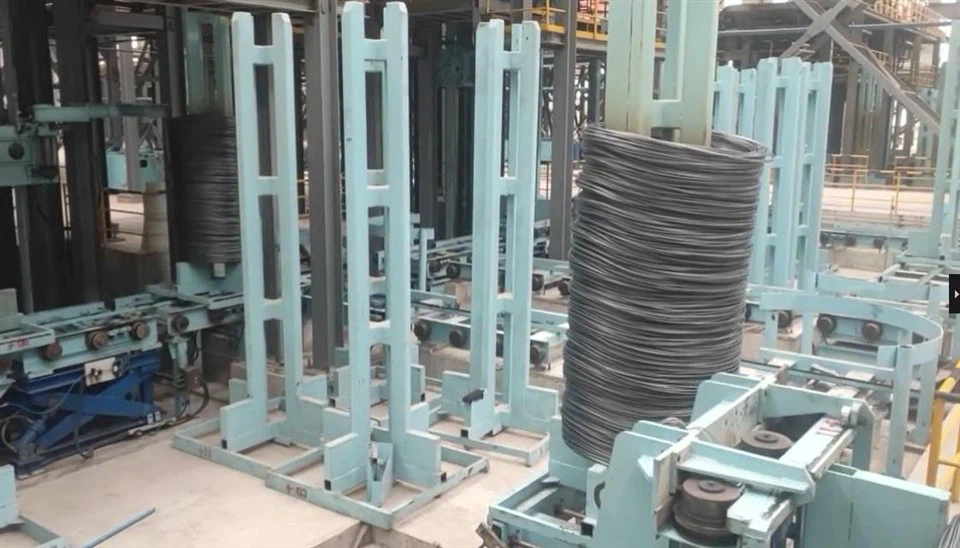
When using a Power And Free Line, it is important to ensure that it is compatible with other equipment in the production line. For example, if the conveyor is used in conjunction with a Compactor Feature or a Vertical Pallet, there may be specific regulations or guidelines regarding their integration.
The connection between the Power And Free Line and other equipment should be properly designed and installed to ensure smooth operation. This may involve ensuring that the height, width, and speed of the conveyor are compatible with the other equipment.
Documentation and Record - Keeping
Maintaining proper documentation and records is an important part of regulatory compliance.
Installation and Commissioning Records
Records of the installation and commissioning of the Power And Free Line should be kept. This includes details such as the date of installation, the names of the installers, and the results of any tests or inspections performed during the commissioning process.
Maintenance Records
As mentioned earlier, regular maintenance is required. Maintenance records should be kept, including details of the maintenance tasks performed, the date they were performed, and the parts that were replaced. These records can be used to demonstrate compliance with regulations and to track the performance of the equipment over time.
Conclusion
In conclusion, there are numerous regulations for using a Power And Free Line, covering safety, environmental, operational, and compatibility aspects. As a supplier, it is our responsibility to ensure that the equipment we provide meets all relevant regulations. We also offer support to our customers in terms of installation, training, and maintenance to help them comply with these regulations.
If you are considering purchasing a Power And Free Line for your business, I encourage you to contact us for more information. We can provide you with detailed information about the regulations that apply to our products and how we can help you ensure compliance. Our team of experts is ready to assist you in selecting the right Power And Free Line for your specific needs and to guide you through the installation and operation process.
References
- Occupational Safety and Health Administration (OSHA) regulations on conveyor systems.
- ISO 13857: Safety of machinery - Safety distances to prevent hazard zones being reached by upper and lower limbs.
- EN 61496: Safety of machinery - Electrical safety of safety - related parts of control systems.