

When it comes to the design and implementation of roller conveyor beds, one of the most frequently asked questions is: What is the maximum length of a roller conveyor bed? As a seasoned supplier of roller conveyor beds, I'm here to delve into this topic and provide you with comprehensive insights.
Factors Influencing the Maximum Length
1. Structural Integrity
The structural integrity of a roller conveyor bed is paramount. As the length of the conveyor increases, the weight of the materials being transported, along with the weight of the conveyor itself, exerts more stress on the frame. The frame must be able to withstand these forces without significant deflection or deformation. High - quality steel or aluminum alloys are commonly used for the frame construction, but even with these materials, there are limits. For example, a conveyor with a light - duty frame may have a maximum length of around 10 - 15 meters, while a heavy - duty, reinforced frame can support lengths up to 50 meters or more.
2. Power and Drive System
The power and drive system is another crucial factor. A conveyor needs sufficient power to move the materials along its length. As the length increases, the frictional forces between the rollers and the conveyed items also increase. Additionally, the weight of the materials and the conveyor itself require more power to overcome inertia and maintain a consistent speed. A standard belt - driven or chain - driven system may have limitations in terms of the maximum length it can effectively power. For longer conveyors, multiple drive units may be required. These can be spaced at regular intervals along the conveyor to ensure that the power is evenly distributed. However, coordinating multiple drive units adds complexity to the system design and control.
3. Material and Load Characteristics
The type of material being transported and its load characteristics play a significant role. If the material is light, such as small plastic parts, the conveyor can generally be longer compared to a conveyor transporting heavy metal components. The distribution of the load also matters. A uniformly distributed load is easier to handle than a concentrated load. For example, a conveyor carrying a continuous stream of small boxes can be longer than one carrying a single large and heavy item. In addition, the shape of the material can affect the maximum length. Irregularly shaped materials may require more precise roller spacing and may cause more wear and tear on the conveyor, potentially limiting its length.
4. Roller Design and Spacing
The design and spacing of the rollers are important considerations. Rollers come in different diameters, lengths, and materials. Larger - diameter rollers can generally support heavier loads and reduce the frictional forces, allowing for longer conveyor lengths. The spacing between the rollers also affects the maximum length. Closer roller spacing provides better support for the materials, especially for small or irregularly shaped items. However, this also increases the cost of the conveyor. A well - designed roller arrangement can optimize the balance between load support and cost - effectiveness, enabling longer conveyor lengths.
Typical Maximum Lengths in Different Applications
1. Light - Duty Applications
In light - duty applications, such as in small - scale manufacturing or packaging facilities where the materials being transported are lightweight, the maximum length of a roller conveyor bed can range from 5 to 20 meters. These conveyors are often used for moving small parts, cartons, or envelopes. They typically have a simple frame design and a relatively low - power drive system. For example, in a small electronics assembly line, a roller conveyor may be used to move circuit boards from one workstation to another. The conveyor can be designed to be around 10 - 15 meters long to accommodate the workflow.
2. Medium - Duty Applications
Medium - duty applications, such as in medium - sized warehouses or distribution centers, may have roller conveyor beds with maximum lengths ranging from 20 to 50 meters. These conveyors are used to transport a wider variety of materials, including medium - sized boxes, pallets, and industrial components. They usually have a more robust frame and a more powerful drive system compared to light - duty conveyors. For instance, in a warehouse where pallets of consumer goods are being sorted and distributed, a roller conveyor of around 30 - 40 meters can be used to move the pallets between different storage areas and loading docks.
3. Heavy - Duty Applications
In heavy - duty applications, such as in large - scale manufacturing plants or mining operations, roller conveyor beds can reach lengths of over 50 meters and sometimes even hundreds of meters. These conveyors are designed to transport extremely heavy materials, such as large steel beams, coal, or ore. They require a heavy - duty frame made of thick - walled steel, multiple high - power drive units, and large - diameter rollers. For example, in a steel mill, a roller conveyor may be used to transport hot steel billets from the rolling mill to the cooling area. These conveyors can be several hundred meters long to accommodate the large - scale production process.
Special Considerations for Long - Length Conveyors
1. Alignment and Tracking
Maintaining proper alignment and tracking is crucial for long - length conveyors. Any misalignment can cause the materials to veer off the conveyor, leading to jams and damage to the conveyor and the materials. Special alignment mechanisms, such as adjustable side guides and self - aligning rollers, can be used to ensure that the materials stay centered on the conveyor. Regular maintenance and inspection of the alignment are also necessary to prevent issues.
2. Expansion and Contraction
Long - length conveyors are subject to expansion and contraction due to temperature changes. This can cause the conveyor to buckle or become misaligned if not properly accounted for. Expansion joints can be installed at regular intervals along the conveyor to allow for the expansion and contraction without causing damage. These joints need to be carefully designed to ensure that they do not interfere with the smooth operation of the conveyor.
3. Maintenance and Accessibility
Long - length conveyors require more maintenance compared to shorter ones. Accessibility for maintenance personnel is an important consideration. The conveyor should be designed with easy - to - access panels and inspection points to allow for regular cleaning, lubrication, and replacement of parts. In addition, a maintenance plan should be established to ensure that the conveyor is kept in good working condition over its long service life.
Our Offerings as a Supplier
As a leading supplier of roller conveyor beds, we understand the complexities involved in designing and manufacturing conveyors of different lengths. We offer a wide range of roller conveyor solutions, including the Collapsible Roller Conveyor. Our collapsible roller conveyors are ideal for applications where flexibility and portability are required. They can be easily assembled and disassembled, making them suitable for temporary or changing work environments.

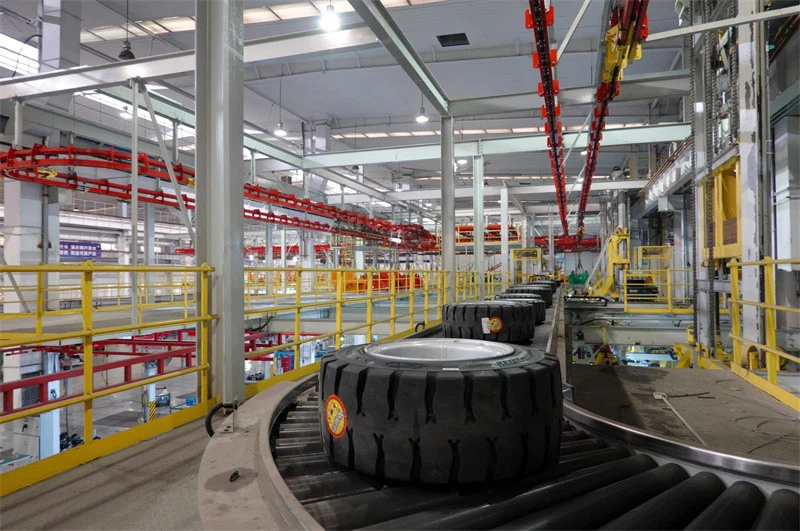
We have a team of experienced engineers who can work closely with you to design a roller conveyor bed that meets your specific requirements. Whether you need a short, light - duty conveyor or a long, heavy - duty one, we can provide a customized solution. Our conveyors are built using high - quality materials and state - of - the - art manufacturing processes to ensure reliability and durability.
If you are in the market for a roller conveyor bed and have questions about the maximum length or any other aspect of conveyor design, we encourage you to contact us. Our sales team is ready to discuss your project and provide you with detailed information and a competitive quote. We look forward to the opportunity to work with you and help you optimize your material handling processes.
References
- Conveyor Equipment Manufacturers Association (CEMA). Conveyor Design Manual.
- ASME B20.1 - Safety Standard for Conveyors and Related Equipment.
- Various industry whitepapers on roller conveyor technology and design.