

As a supplier of roller conveyor chains, I've witnessed firsthand the critical role that chain tension plays in the synchronization of these essential industrial components. In this blog, I'll delve into the impact of chain tension on the synchronization of roller conveyor chains, exploring the science behind it, practical implications, and how it relates to the performance of your conveyor systems.
Understanding Roller Conveyor Chains and Synchronization
Roller conveyor chains are used in a wide range of industries to transport goods efficiently. They consist of a series of interconnected links with rollers that facilitate smooth movement along the conveyor track. Synchronization, in the context of roller conveyor chains, refers to the coordinated movement of multiple chains or chain sections within a conveyor system. This is crucial for ensuring that products are transported evenly and accurately, preventing jams, and maintaining the overall efficiency of the production line.
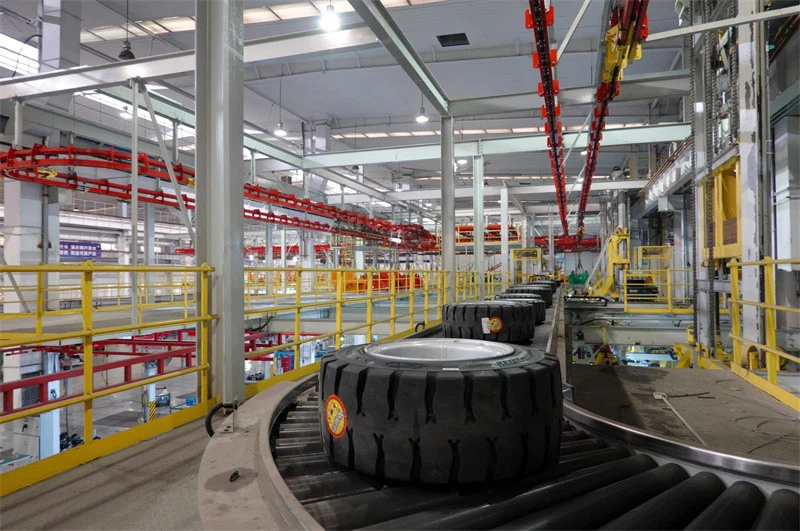

The Role of Chain Tension
Chain tension is the force applied to the chain to keep it taut and engaged with the sprockets. It is a fundamental parameter that affects the performance and longevity of the chain. Proper tension is essential for maintaining the correct pitch between the chain links, which in turn affects the smooth operation and synchronization of the chain.
Impact on Synchronization
- Pitch Variation: Incorrect chain tension can lead to pitch variation, where the distance between the chain links changes. This can cause the chain to move unevenly, resulting in misalignment and synchronization issues. For example, if the tension is too loose, the chain may sag between the sprockets, causing the rollers to move at different speeds and leading to a lack of synchronization.
- Sprocket Engagement: Proper tension ensures that the chain engages correctly with the sprockets. If the tension is too tight, it can cause excessive wear on the sprockets and chain links, leading to premature failure. On the other hand, if the tension is too loose, the chain may skip over the sprockets, causing intermittent movement and synchronization problems.
- Vibration and Noise: Improper chain tension can also lead to increased vibration and noise in the conveyor system. This not only affects the working environment but can also indicate underlying synchronization issues. Excessive vibration can cause the chain to wear out faster and can also damage other components of the conveyor system.
Practical Implications of Synchronization Issues
- Product Damage: Synchronization problems can cause products to collide or become misaligned on the conveyor, leading to damage. This can result in increased waste and production costs, as well as potential delays in the production process.
- Reduced Efficiency: A lack of synchronization can slow down the overall speed of the conveyor system, reducing its efficiency. This can lead to lower productivity and increased operating costs, as more time is required to transport the same amount of goods.
- Maintenance and Downtime: Synchronization issues can also increase the frequency of maintenance and downtime. Chains that are not properly tensioned and synchronized are more likely to experience wear and tear, leading to more frequent replacements and repairs. This can disrupt the production process and result in lost revenue.
Maintaining Proper Chain Tension for Synchronization
To ensure proper synchronization of roller conveyor chains, it is essential to maintain the correct chain tension. Here are some tips to help you achieve this:
- Regular Inspection: Regularly inspect the chain tension to ensure that it is within the recommended range. This can be done using a tension gauge or by visually inspecting the chain for signs of sag or tightness.
- Adjustment: If the chain tension is found to be incorrect, it should be adjusted immediately. This can be done by adjusting the tensioning device, such as a tensioner or idler sprocket.
- Proper Installation: Ensure that the chain is installed correctly, with the correct pitch and alignment. This can help to prevent synchronization issues from occurring in the first place.
- Lubrication: Proper lubrication is also essential for maintaining the performance and longevity of the chain. Lubrication helps to reduce friction and wear, which can improve the chain's efficiency and synchronization.
The Importance of Quality Roller Conveyor Chains
In addition to maintaining proper chain tension, the quality of the roller conveyor chains themselves also plays a crucial role in synchronization. High-quality chains are designed to have consistent pitch and dimensions, which helps to ensure smooth operation and synchronization. They are also made from durable materials that can withstand the rigors of industrial use, reducing the risk of wear and tear and premature failure.
As a roller conveyor chain supplier, we understand the importance of providing high-quality chains that meet the specific needs of our customers. Our chains are manufactured using the latest technology and materials, ensuring superior performance and reliability. We also offer a wide range of chain sizes and configurations to suit different applications, as well as expert advice and support to help you choose the right chain for your conveyor system.
Conclusion
In conclusion, chain tension has a significant impact on the synchronization of roller conveyor chains. Proper tension is essential for maintaining the correct pitch, sprocket engagement, and smooth operation of the chain, which in turn affects the overall efficiency and performance of the conveyor system. By regularly inspecting and adjusting the chain tension, using high-quality chains, and following proper installation and maintenance procedures, you can ensure that your roller conveyor chains operate smoothly and synchronously, reducing the risk of product damage, improving efficiency, and minimizing maintenance and downtime.
If you're looking for high-quality roller conveyor chains or need expert advice on chain tension and synchronization, Link Text: Collapsible Roller Conveyor we're here to help. Contact us today to discuss your specific requirements and let us help you find the perfect solution for your conveyor system.
References
- "Roller Chain Handbook" by the American Chain Association
- "Conveyor Systems Handbook" by Christopher J. Fay
- "Industrial Chain and Sprocket Design" by John A. Schey