

Roller conveyors have long been a staple in various industries, providing an efficient and reliable means of transporting goods. As a roller conveyor supplier, I've witnessed firsthand the evolution of this technology and its ever - expanding applications. In this blog, I'll explore the future development prospects of roller conveyors, considering technological advancements, industry trends, and emerging opportunities.
Technological Advancements
Automation and Integration
One of the most significant trends in the future of roller conveyors is the increasing level of automation. With the rise of Industry 4.0, factories are becoming more connected and intelligent. Roller conveyors are no exception. They are being integrated with automated guided vehicles (AGVs), robotic arms, and advanced control systems. For example, an AGV can be programmed to pick up products from a specific point on the roller conveyor and transport them to another location within the facility. This seamless integration reduces human intervention, improves efficiency, and minimizes the risk of errors.
In addition, the use of sensors and smart controls on roller conveyors is becoming more prevalent. These sensors can detect the presence, position, and weight of products on the conveyor. They can also monitor the speed and performance of the conveyor system in real - time. By collecting and analyzing this data, operators can optimize the conveyor's operation, predict maintenance needs, and ensure smooth material flow.
Energy Efficiency
As environmental concerns continue to grow, energy efficiency is a top priority for industries. Roller conveyors are being designed with new technologies to reduce energy consumption. For instance, the use of low - friction rollers and energy - efficient motors can significantly lower the power requirements of the conveyor system. Some modern roller conveyors also feature regenerative braking systems, which can convert the kinetic energy of the moving products back into electrical energy and feed it back into the power grid.
Material and Design Innovations
New materials are being developed for roller conveyors to improve their durability and performance. For example, carbon fiber and composite materials are being used to make lighter and stronger rollers. These materials can withstand higher loads and reduce the overall weight of the conveyor, which in turn reduces energy consumption.
In terms of design, modular and customizable roller conveyors are becoming more popular. This allows customers to easily adapt the conveyor system to their specific needs. For example, a Collapsible Roller Conveyor offers flexibility in installation and storage. It can be easily folded up when not in use, saving valuable floor space in the facility.
Industry Trends
E - commerce and Logistics
The rapid growth of e - commerce has had a profound impact on the logistics industry. Roller conveyors play a crucial role in e - commerce fulfillment centers, where they are used to transport products from storage areas to packing stations and shipping docks. As the volume of online orders continues to increase, the demand for high - speed and efficient roller conveyors will also rise.
In addition, the need for faster order processing and delivery times is driving the development of more advanced roller conveyor systems. For example, high - speed sorting conveyors are being used to quickly separate products based on their destination. These conveyors can handle a large number of items per minute, improving the overall efficiency of the fulfillment process.

Food and Beverage Industry
The food and beverage industry has strict hygiene and safety requirements. Roller conveyors used in this industry are being designed to meet these standards. For example, they are made from materials that are easy to clean and sanitize, such as stainless steel. Anti - microbial coatings are also being applied to rollers to prevent the growth of bacteria.
In addition, the food and beverage industry is increasingly adopting automation to improve productivity and quality control. Roller conveyors are being integrated with other automated equipment, such as filling machines and labeling machines, to create a seamless production line.
Automotive and Manufacturing
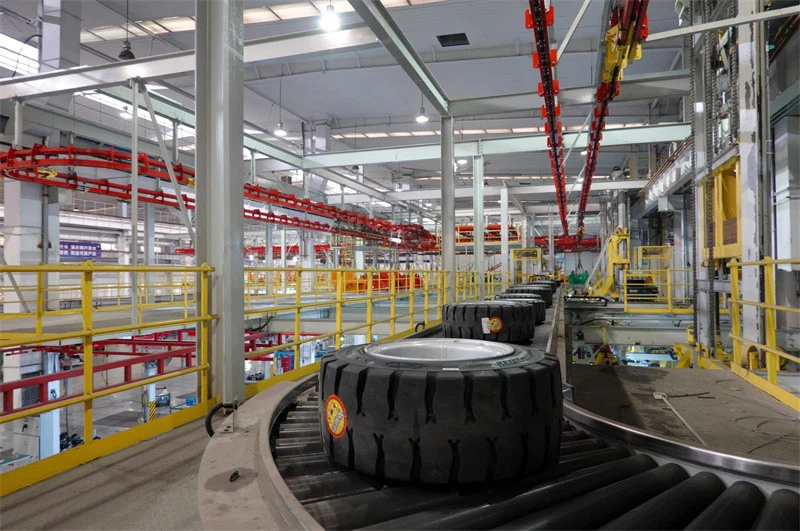
In the automotive and manufacturing industries, roller conveyors are used to transport heavy and large components. The future of roller conveyors in these industries will involve the development of more robust and high - load - capacity systems. For example, heavy - duty roller conveyors with large - diameter rollers and strong frames are being designed to handle the weight of automotive parts and machinery.
Moreover, the trend towards lean manufacturing and just - in - time production is driving the need for more flexible and efficient roller conveyor systems. These systems can be easily reconfigured to accommodate changes in production processes and product designs.
Emerging Opportunities
Healthcare and Pharmaceutical Industry
The healthcare and pharmaceutical industries are starting to recognize the benefits of roller conveyors. In hospitals, roller conveyors can be used to transport medical supplies, specimens, and equipment between different departments. In pharmaceutical manufacturing, they can be used to move raw materials and finished products through the production process.
The requirements for roller conveyors in these industries are different from other industries. They need to be clean, quiet, and have precise control over the movement of products. For example, roller conveyors used in pharmaceutical cleanrooms need to be made from materials that do not generate dust or particles.
Agriculture and Farming
The agriculture and farming sectors are also potential markets for roller conveyors. They can be used to transport harvested crops, seeds, and fertilizers within farms and processing facilities. For example, roller conveyors can be used to move grains from storage silos to processing equipment.
In addition, the trend towards precision agriculture is creating opportunities for the development of more advanced roller conveyor systems. These systems can be integrated with sensors and automation technology to optimize the handling and processing of agricultural products.
Conclusion
The future of roller conveyors is bright, with numerous opportunities for growth and innovation. Technological advancements, industry trends, and emerging markets are all driving the development of more advanced and efficient roller conveyor systems. As a roller conveyor supplier, I am excited to be part of this evolution.
If you are looking for a reliable and high - quality roller conveyor solution for your business, I encourage you to reach out to us. We have a wide range of products and can customize a solution to meet your specific needs. Whether you are in the e - commerce, food and beverage, automotive, or any other industry, we have the expertise and experience to provide you with the best roller conveyor system. Contact us today to start the procurement discussion and take your business to the next level.
References
- "Automation in Material Handling: Trends and Technologies" by Smith, J. (2022)
- "Energy - Efficient Conveyor Systems for Sustainable Manufacturing" by Johnson, A. (2021)
- "The Future of Logistics: E - commerce and Conveyor Technology" by Brown, K. (2023)