

As a supplier of roller conveyor belts, I understand the critical importance of maintaining proper roller alignment in conveyor systems. Misaligned rollers can lead to a host of problems, including uneven wear on the conveyor belt, increased energy consumption, and even premature failure of the belt and other components. In this blog post, I'll share some practical methods and tips on how to check the alignment of the rollers on a conveyor belt.
Visual Inspection
The first step in checking roller alignment is a simple visual inspection. Walk along the conveyor belt and look for any obvious signs of misalignment. This can include rollers that are tilted, skewed, or not parallel to each other. Pay close attention to the areas where the belt enters and exits the rollers, as these are common spots for misalignment to occur.
Look for any visible gaps between the belt and the rollers. A consistent gap around the entire circumference of the roller indicates proper alignment. If you notice a wider gap on one side of the roller, it may be a sign of misalignment. Additionally, check for any signs of excessive wear on the belt, such as fraying or uneven wear patterns. These can also be indicators of roller misalignment.
Using a Straightedge
A straightedge is a simple but effective tool for checking roller alignment. Place a straightedge across the top of several adjacent rollers. The straightedge should rest evenly on all the rollers. If the straightedge rocks or does not sit flat, it indicates that the rollers are not in alignment.
Measure the distance between the straightedge and the top of each roller at several points along the length of the straightedge. The measurements should be consistent. If there are significant variations in the measurements, it means that the rollers are misaligned. You can use a feeler gauge to measure the gaps more accurately.
Laser Alignment Tools
For more precise alignment checks, laser alignment tools are a great option. These tools use lasers to project a straight line across the rollers, allowing you to easily identify any deviations from the desired alignment.
To use a laser alignment tool, first, mount the tool at one end of the conveyor belt. Make sure it is securely attached and level. Then, turn on the laser and project the beam across the rollers. The laser beam should be parallel to the centerline of the conveyor belt.
As you move along the conveyor, observe the position of the laser beam on each roller. If the beam is not centered on the roller or if it is at an angle, it indicates misalignment. You can make adjustments to the rollers based on the readings from the laser alignment tool.
Checking Roller Axes
In addition to checking the alignment of the rollers themselves, it's also important to check the alignment of the roller axes. The axes of the rollers should be parallel to each other and perpendicular to the centerline of the conveyor belt.

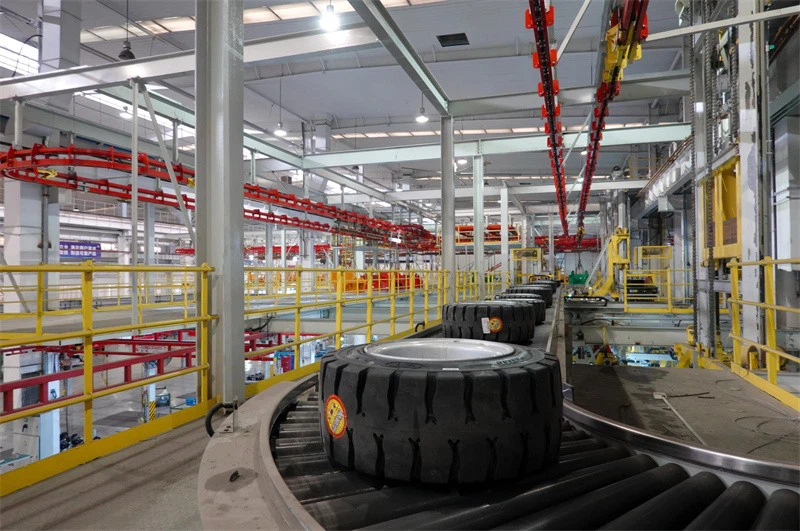
You can use a dial indicator to check the alignment of the roller axes. Mount the dial indicator on a fixed surface near the roller. Then, rotate the roller and observe the readings on the dial indicator. If the readings vary significantly, it means that the roller axis is misaligned.
Measuring Belt Tension
Proper belt tension is also crucial for maintaining roller alignment. If the belt is too loose or too tight, it can cause the rollers to become misaligned. Use a belt tension gauge to measure the tension of the conveyor belt at several points along its length.
The tension should be consistent across the entire width of the belt. If the tension is too low, the belt may slip on the rollers, causing misalignment. If the tension is too high, it can put excessive stress on the rollers and other components, leading to premature wear and failure.
Making Adjustments
Once you have identified any misaligned rollers, it's time to make the necessary adjustments. Depending on the type of conveyor system, you may be able to adjust the position of the rollers by loosening the mounting bolts and moving the rollers into the correct position.
In some cases, you may need to use shims or other adjustment devices to fine-tune the alignment. Make sure to follow the manufacturer's instructions when making adjustments to avoid causing further damage to the conveyor system.
Regular Maintenance
Checking and adjusting roller alignment should be part of your regular conveyor maintenance routine. By performing regular inspections and making timely adjustments, you can prevent costly breakdowns and extend the lifespan of your conveyor system.
In addition to checking roller alignment, you should also regularly clean the rollers and the conveyor belt to remove any debris or contaminants that can affect their performance. Lubricate the rollers and other moving parts as recommended by the manufacturer to reduce friction and wear.
Conclusion
Proper roller alignment is essential for the efficient and reliable operation of a conveyor belt system. By using the methods and tips outlined in this blog post, you can easily check the alignment of the rollers on your conveyor belt and make the necessary adjustments to ensure optimal performance.
As a roller conveyor belt supplier, we offer a wide range of high-quality rollers and conveyor systems to meet your specific needs. Our Collapsible Roller Conveyor is a great option for applications where flexibility and portability are required.
If you have any questions or need assistance with roller alignment or any other aspect of your conveyor system, please don't hesitate to contact us. We're here to help you keep your conveyor system running smoothly and efficiently.
References
- Conveyor Belt Handbook, Manufacturer's Guide
- Industrial Conveyor Maintenance Manuals