

A powered roller conveyor is a crucial piece of equipment in various industries, facilitating the efficient movement of goods within a facility. As a leading supplier of roller conveyors, I'm excited to delve into the inner workings of powered roller conveyors and shed light on their functionality.
Basic Components of a Powered Roller Conveyor
Before we explore how a powered roller conveyor works, it's essential to understand its key components. A typical powered roller conveyor consists of the following elements:
- Rollers: The rollers are the most visible part of the conveyor. They are cylindrical tubes made of various materials such as steel, aluminum, or plastic. The rollers are mounted on shafts and spaced evenly along the length of the conveyor frame.
- Drive System: The drive system is responsible for providing the power to rotate the rollers. It typically includes a motor, a gearbox, and a chain or belt drive. The motor converts electrical energy into mechanical energy, which is then transmitted to the rollers through the gearbox and drive mechanism.
- Frame: The frame provides the structural support for the rollers and the drive system. It is usually made of steel or aluminum and is designed to withstand the weight of the conveyed materials.
- Controls: The controls allow operators to start, stop, and adjust the speed of the conveyor. They can be simple on/off switches or more sophisticated programmable logic controllers (PLCs) that enable precise control of the conveyor's operation.
How a Powered Roller Conveyor Works
The operation of a powered roller conveyor can be broken down into several steps:

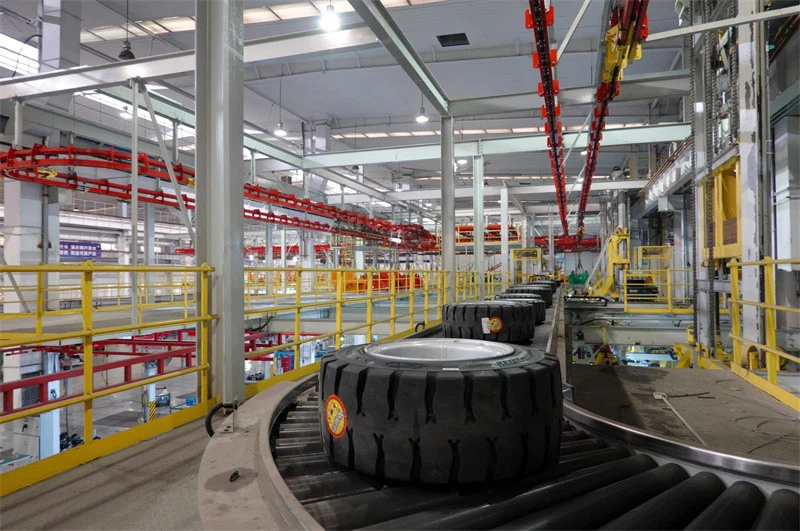
- Loading: The process begins with the loading of materials onto the conveyor. This can be done manually or using automated equipment such as robots or forklifts. The materials are placed on the rollers at the beginning of the conveyor.
- Power Transmission: Once the materials are loaded, the drive system is activated. The motor starts rotating, and the power is transmitted to the rollers through the gearbox and drive mechanism. The rollers start to rotate in a synchronized manner, creating a continuous flow of movement along the conveyor.
- Conveying: As the rollers rotate, they grip the materials and move them along the conveyor. The speed of the conveyor can be adjusted to match the requirements of the production process. The rollers can be powered individually or in groups, depending on the design of the conveyor.
- Unloading: When the materials reach the end of the conveyor, they are unloaded. This can be done manually or using automated equipment such as chutes or diverters. The materials are then transferred to the next stage of the production process or stored in a warehouse.
Types of Powered Roller Conveyors
There are several types of powered roller conveyors, each designed for specific applications. Some of the most common types include:
- Belt-Driven Rollers: Belt-driven rollers use a belt to transmit power from the motor to the rollers. This type of conveyor is suitable for applications where a smooth and quiet operation is required. Belt-driven rollers are commonly used in industries such as food processing, packaging, and electronics.
- Chain-Driven Rollers: Chain-driven rollers use a chain to transmit power from the motor to the rollers. This type of conveyor is more robust and can handle heavier loads compared to belt-driven rollers. Chain-driven rollers are commonly used in industries such as automotive, manufacturing, and logistics.
- Line Shaft Rollers: Line shaft rollers use a central shaft to transmit power to the rollers. This type of conveyor is suitable for applications where a long conveyor length is required. Line shaft rollers are commonly used in industries such as airports, warehouses, and distribution centers.
Advantages of Powered Roller Conveyors
Powered roller conveyors offer several advantages over other types of conveyors, including:
- High Efficiency: Powered roller conveyors can move materials quickly and efficiently, reducing the time and labor required for manual handling.
- Versatility: Powered roller conveyors can be customized to meet the specific requirements of different applications. They can be used to convey a wide range of materials, including boxes, pallets, and containers.
- Reliability: Powered roller conveyors are designed to be durable and reliable, with minimal maintenance requirements. They can operate continuously for long periods without breakdowns.
- Safety: Powered roller conveyors are equipped with safety features such as emergency stops and guards to prevent accidents and injuries.
Applications of Powered Roller Conveyors
Powered roller conveyors are used in a wide range of industries, including:
- Manufacturing: Powered roller conveyors are used in manufacturing plants to move materials between different stages of the production process. They can be used to convey raw materials, work-in-progress, and finished products.
- Warehousing and Distribution: Powered roller conveyors are used in warehouses and distribution centers to move materials between storage areas and shipping docks. They can be used to convey pallets, boxes, and containers.
- Food Processing: Powered roller conveyors are used in food processing plants to move food products between different stages of the production process. They can be used to convey raw ingredients, processed foods, and packaging materials.
- Automotive: Powered roller conveyors are used in automotive plants to move car parts between different stages of the assembly process. They can be used to convey engines, transmissions, and body panels.
Conclusion
In conclusion, a powered roller conveyor is a versatile and efficient piece of equipment that plays a crucial role in various industries. By understanding how a powered roller conveyor works and its different types and applications, you can make an informed decision when choosing a conveyor system for your business.
If you're interested in learning more about our roller conveyors, including our Collapsible Roller Conveyor, please don't hesitate to contact us. Our team of experts is ready to assist you in finding the right conveyor solution for your specific needs. We look forward to the opportunity to work with you and help you optimize your material handling processes.
References
- "Conveyor Systems Handbook" by Paul A. Rollins
- "Material Handling Engineering" by James A. Tompkins and John A. White
- Industry publications and research papers on conveyor technology