

Hey there! I'm working for a company that supplies AS RS for Warehouses. We all know that a full - scale Automated Storage and Retrieval System (AS/RS) in a warehouse can be a game - changer. It boosts efficiency, maximizes space, and cuts down on labor costs. But here's the thing: it also comes with a hefty price tag. So, if you're on a budget or not ready to go all - in on a full - scale AS/RS, what are the cost - effective alternatives? Let's dig in.

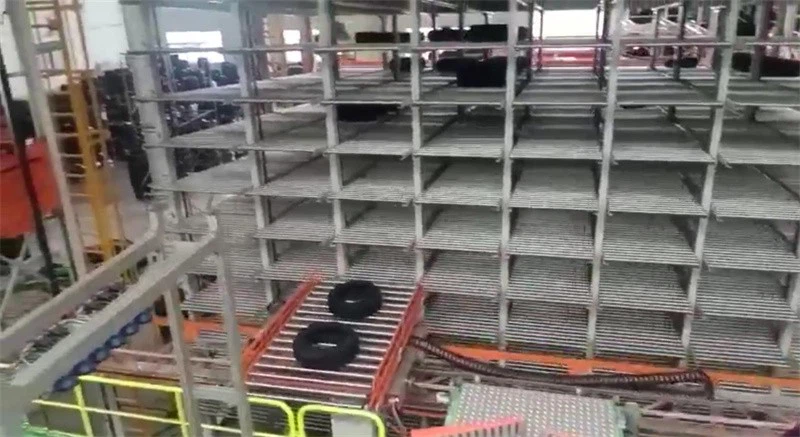
1. Pallet Racking Systems
Pallet racking is a classic and cost - effective option. There are different types, like selective pallet racking, drive - in racking, and push - back racking.
Selective Pallet Racking
This is the most common type. It allows direct access to every pallet, which means you can get to your goods quickly. It's easy to install and reconfigure, so you can adjust it as your inventory changes. The cost of selective pallet racking is much lower compared to a full - scale AS/RS. You don't need a lot of high - tech equipment or complex software. It's a simple and reliable way to store pallets in your warehouse.
Drive - In Racking
If you have a lot of the same product and don't need immediate access to every pallet, drive - in racking is a great choice. Forklifts can drive directly into the racking structure to store and retrieve pallets. This system maximizes storage density, as it eliminates the need for wide aisles. It's a more affordable option for high - density storage compared to an AS/RS. However, it has a first - in, last - out (FILO) inventory flow, which might not be suitable for all types of businesses.
Push - Back Racking
Push - back racking is another high - density storage solution. Pallets are stored on nested carts that can be pushed back as new pallets are loaded. This system offers a last - in, first - out (LIFO) inventory flow. It's more expensive than selective pallet racking but still a lot cheaper than a full - scale AS/RS. It's a good option for warehouses with a high volume of product turnover.
2. Shelving Systems
Shelving systems are versatile and cost - effective. They come in various sizes and configurations, making them suitable for different types of products.
Boltless Shelving
Boltless shelving is easy to assemble and disassemble. You don't need any special tools, which saves time and money on installation. It's great for storing small to medium - sized items. You can adjust the shelf levels to fit your products, and it's a flexible option for warehouses with changing inventory needs.
Wire Shelving
Wire shelving is affordable and provides good visibility of your products. It allows air and light to pass through, which is useful if you're storing items that need ventilation. It's also easy to clean, making it a popular choice for warehouses in the food and pharmaceutical industries.
Cantilever Shelving
If you're storing long or irregularly shaped items like pipes, lumber, or furniture, cantilever shelving is the way to go. It has arms that extend from a vertical column, providing a clear space for storing these types of products. It's a cost - effective solution for specialized storage needs.
3. Vertical Lift Modules (VLMs)
Vertical Lift Modules are a step up from traditional shelving and racking systems. They consist of two columns of trays with a lift mechanism in the middle. The system automatically retrieves the tray with the required item, reducing the time and effort needed to find products.
VLMs are more expensive than basic racking and shelving systems but still cheaper than a full - scale AS/RS. They offer high - density storage in a small footprint, making them ideal for warehouses with limited space. They also improve inventory accuracy and worker productivity. You can integrate VLMs with your warehouse management system (WMS) to further streamline operations.
4. Conveyor Systems
Conveyor systems can be a cost - effective alternative for moving goods within the warehouse.
Belt Conveyors
Belt conveyors are simple and reliable. They can move a wide range of products, from small boxes to large pallets. They're easy to install and maintain, and the cost is relatively low compared to an AS/RS. Belt conveyors can be used for transporting goods between different areas of the warehouse, such as from the receiving area to the storage area or from the storage area to the shipping area.
Roller Conveyors
Roller conveyors are another popular option. They use rollers to move products, and they can be powered or gravity - fed. Gravity - fed roller conveyors are the most affordable, as they don't require any power source. They're great for moving items down an incline or for accumulating products in a staging area. Powered roller conveyors offer more control over the movement of products and can be used for longer distances.
5. Mobile Racking Systems
Mobile racking systems are a space - saving and cost - effective alternative to traditional static racking. They consist of racks mounted on mobile bases that can move along tracks on the floor. By eliminating the need for multiple aisles, mobile racking systems can double or even triple the storage capacity of a warehouse.
The initial investment in mobile racking systems is higher than that of traditional racking but lower than a full - scale AS/RS. They're suitable for warehouses with limited floor space and a need for high - density storage. You can operate mobile racking systems manually or with an electric motor, depending on your budget and requirements.
Why Consider These Alternatives?
There are several reasons why you might want to consider these cost - effective alternatives to a full - scale AS/RS.
Budget Constraints
If you're a small or medium - sized business, a full - scale AS/RS might be out of your budget. These alternative solutions offer a more affordable way to improve your warehouse operations. You can start with a basic system and gradually upgrade as your business grows.
Flexibility
Warehouse needs can change over time. These alternative systems are more flexible and easier to reconfigure compared to a full - scale AS/RS. You can adjust the racking, shelving, or conveyor systems to accommodate new products or changes in inventory volume.
Quick Implementation
Installing a full - scale AS/RS can take a long time and disrupt your warehouse operations. In contrast, these alternative systems can be installed relatively quickly, minimizing downtime and allowing you to get back to business as usual.
Making the Right Choice
When choosing a cost - effective alternative to a full - scale AS/RS, you need to consider several factors.
Product Characteristics
Think about the size, weight, and shape of your products. Different systems are better suited for different types of products. For example, if you have long and heavy items, cantilever shelving or a specialized racking system might be the best choice.
Inventory Turnover
If you have a high volume of product turnover, you need a system that allows for quick access to products. Selective pallet racking or a VLM might be more suitable. If you have a low turnover rate, a high - density storage system like drive - in racking could work well.
Warehouse Space
The available space in your warehouse is a crucial factor. If you have limited floor space, high - density storage systems like mobile racking or VLMs can help you make the most of the space. If you have a large open area, a conveyor system might be a good option for moving goods efficiently.
Conclusion
So, there you have it! There are plenty of cost - effective alternatives to a full - scale AS/RS in a warehouse. Whether you choose pallet racking, shelving, VLMs, conveyor systems, or mobile racking, these options can help you improve your warehouse efficiency without breaking the bank.
If you're interested in learning more about these alternatives or need help choosing the right system for your warehouse, don't hesitate to reach out. We're here to assist you in making the best decision for your business. Let's start a conversation about how we can optimize your warehouse operations.
References
- "Warehouse Automation: A Guide to AS/RS and Related Technologies" by John Doe
- "Cost - Effective Warehouse Storage Solutions" by Jane Smith
- Industry reports from the Warehouse Equipment Manufacturers Association