

In the world of industrial material handling, roller conveyor chains play a pivotal role in ensuring the smooth and efficient movement of goods. However, one often overlooked yet critical issue is static electricity. Static buildup on roller conveyor chains can lead to a variety of problems, including product damage, equipment malfunction, and even safety hazards. As a leading roller conveyor chain supplier, we understand the importance of addressing this issue and offer several anti - static options to meet the diverse needs of our customers.
Understanding Static Electricity in Roller Conveyor Chains
Before delving into the anti - static options, it's essential to understand how static electricity is generated in roller conveyor chains. Static electricity is created when two materials come into contact and then separate. In the case of roller conveyor chains, the constant movement of the chain links, rollers, and the materials being transported can cause friction, which in turn generates static charges.
These static charges can accumulate on the surface of the chain and the conveyed materials. When the static charge reaches a certain level, it can discharge suddenly, causing sparks. In environments where flammable materials are present, these sparks can pose a significant fire or explosion risk. Additionally, static electricity can attract dust and debris to the chain and the products, leading to contamination and potential damage to the goods.
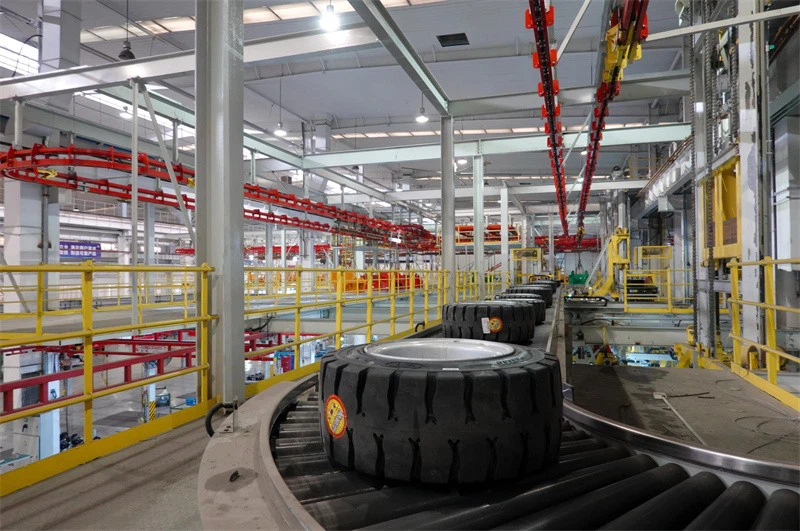

Anti - Static Options for Roller Conveyor Chains
Conductive Materials
One of the most effective ways to prevent static buildup is by using conductive materials in the construction of the roller conveyor chains. Conductive materials, such as carbon - filled plastics or metals with high electrical conductivity, allow the static charges to flow through the chain and dissipate to the ground.
Carbon - filled plastics are a popular choice for anti - static roller conveyor chains. These plastics have carbon particles embedded within them, which provide a path for the static charges to move. They are lightweight, corrosion - resistant, and can be easily molded into the required shapes for the chain components. For example, the rollers and bushings of the chain can be made from carbon - filled plastics, ensuring that static charges are quickly removed from the surface of the chain.
Metals like copper and aluminum are also excellent conductors of electricity. Using these metals in the chain links or as coatings on the chain components can effectively prevent static buildup. Copper - coated chain links can quickly transfer static charges to the ground, reducing the risk of static discharge.
Anti - Static Coatings
Another option is to apply anti - static coatings to the roller conveyor chains. These coatings are designed to reduce the surface resistance of the chain, allowing the static charges to dissipate more easily.
There are different types of anti - static coatings available. Some are water - based, which are environmentally friendly and easy to apply. Others are solvent - based, which may provide a more durable coating but require proper ventilation during application.
Anti - static coatings work by forming a thin layer on the surface of the chain. This layer contains conductive agents that help to neutralize the static charges. For example, a coating containing carbon nanotubes can create a conductive network on the chain surface, enabling the static charges to move freely and be discharged.
Grounding Systems
A well - designed grounding system is crucial for preventing static buildup in roller conveyor chains. Grounding provides a direct path for the static charges to flow from the chain to the earth, where they can be safely dissipated.
To implement a grounding system, the roller conveyor chain should be connected to a grounding conductor. This conductor can be a copper wire or a metal strip that is connected to a grounding rod buried in the ground. The grounding rod should be installed in an area with good soil conductivity to ensure effective grounding.
In addition to grounding the chain itself, it's also important to ground other components of the conveyor system, such as the frames and supports. This helps to create a unified grounding network that can effectively prevent static buildup throughout the entire system.
Humidity Control
Controlling the humidity in the environment where the roller conveyor chains are operating can also help to reduce static electricity. Higher humidity levels increase the moisture content in the air, which makes the air more conductive. As a result, static charges are more likely to dissipate into the air rather than accumulate on the chain.
Maintaining a relative humidity level of around 40 - 60% is generally recommended for industrial environments. This can be achieved through the use of humidifiers or dehumidifiers, depending on the ambient conditions. However, it's important to note that humidity control alone may not be sufficient to completely eliminate static buildup, especially in high - friction or high - speed conveyor systems.
Benefits of Anti - Static Roller Conveyor Chains
Implementing anti - static options for roller conveyor chains offers several benefits. Firstly, it improves the safety of the workplace. By preventing static discharge, the risk of fires and explosions in flammable environments is significantly reduced. Workers are also less likely to experience electric shocks, which can cause injuries and disrupt operations.
Secondly, anti - static chains help to protect the products being transported. Static electricity can attract dust and debris, which can contaminate the products. By reducing static buildup, the products remain clean and free from damage, ensuring a higher quality end - product.
Thirdly, anti - static chains can extend the lifespan of the conveyor system. Static charges can cause premature wear and tear on the chain components, leading to frequent replacements. By preventing static buildup, the chain can operate more smoothly and last longer, reducing maintenance costs and downtime.
Conclusion
As a roller conveyor chain supplier, we are committed to providing our customers with high - quality anti - static solutions. Whether it's through the use of conductive materials, anti - static coatings, grounding systems, or humidity control, we have the expertise and products to meet your specific needs.
If you are interested in learning more about our anti - static roller conveyor chains or have any questions regarding static electricity prevention in your conveyor systems, we encourage you to [Contact Us for procurement discussions]. Our team of experts is ready to assist you in finding the best anti - static options for your application.
References
- "Industrial Conveyor Systems: Design and Operation" by John A. White
- "Static Electricity: Fundamentals and Applications" by David A. Law
- "Materials Science for Engineers" by Donald R. Askeland